
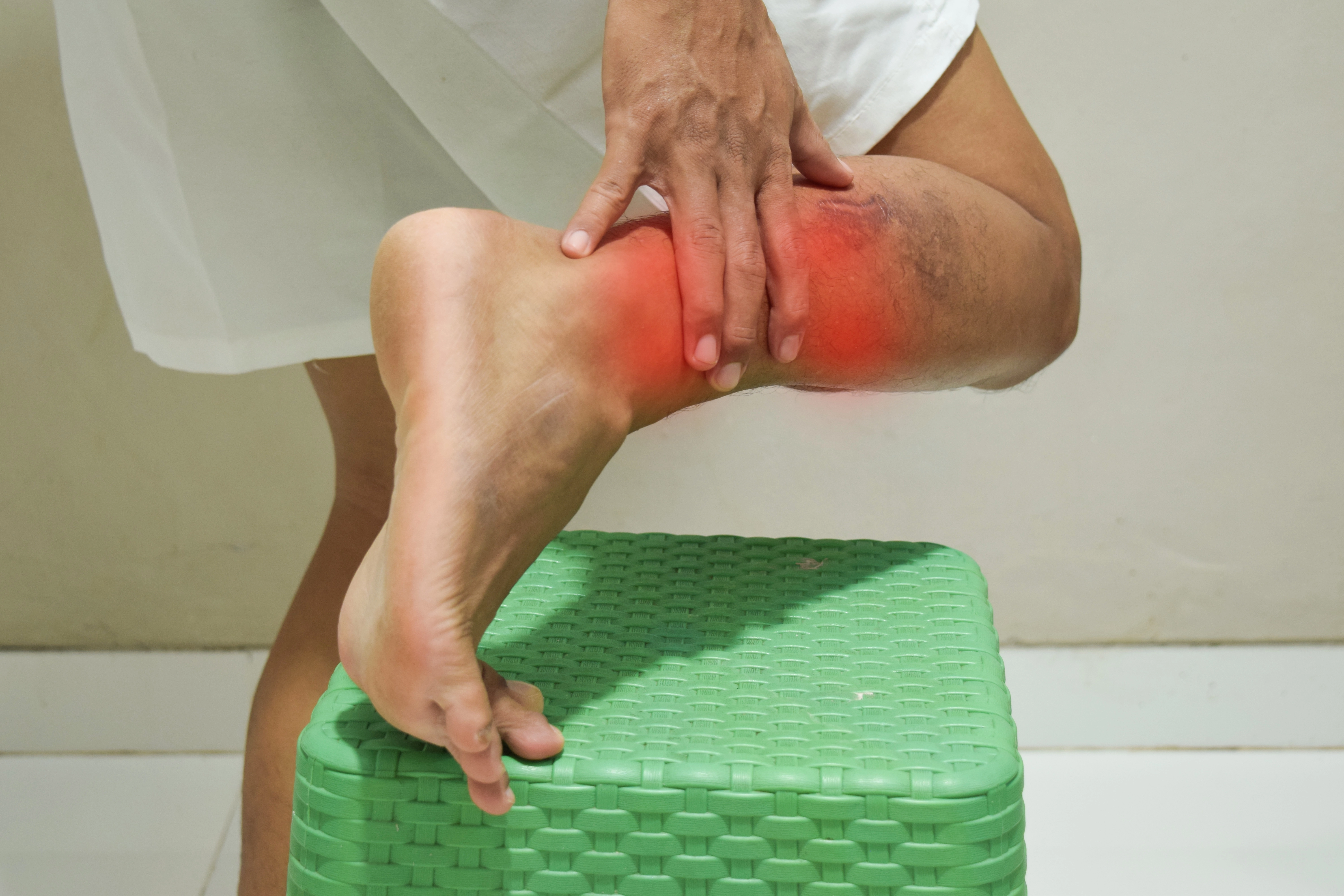
That tight, burning sensation at the back of your heel – the one that’s worst first thing in the morning or after a long day on your feet – is one of the most stubborn complaints a podiatrist sees. Achilles tendinitis doesn’t just hurt; it slows you down, disrupts your routine, and has a frustrating habit of coming back if it’s not treated properly.
The good news is that two advanced treatments – MLS Laser Therapy and Platelet-Rich Plasma (PRP) – are changing how patients recover, offering real healing at the tissue level rather than just masking pain.
The Achilles tendon is the largest and strongest tendon in your body. It connects your calf muscles to your heel bone and takes on enormous stress with every step, jump, and push-off. Because tendons have a relatively poor blood supply compared to muscles, they heal slowly. Inflammation can linger for weeks or months, and without the right intervention, minor irritation can progress into a more serious degenerative condition called tendinosis.
Common causes include:
Sudden increases in running distance or intensity
Tight calf muscles putting extra strain on the tendon
Worn-out or unsupportive footwear
Flat feet or high arches altering your gait mechanics
Age-related changes in tendon flexibility
Rest and ice can calm a flare-up, but they don’t repair the underlying tissue damage. That’s where therapies like MLS Laser and PRP make a meaningful difference.
MLS (Multiwave Locked System) Laser Therapy uses two specific wavelengths of light – 808 nm and 905 nm – that work together to reduce inflammation and stimulate cellular repair at the same time. Most laser therapies can do one or the other. MLS does both simultaneously, which is a significant clinical advantage.
When the laser energy reaches your Achilles tendon, it penetrates deep into the tissue and triggers a process called photobiomodulation. In plain terms, it energizes your cells, prompts them to produce more ATP (the fuel cells run on), and accelerates the body’s natural healing response. Blood flow improves. Inflammation decreases. Damaged tendon fibers begin to repair.
Patients typically notice less pain and improved mobility within a few sessions. A full course usually involves 6 to 10 treatments, each lasting about 10–15 minutes. There’s no downtime, no needles, and no discomfort during the session – most people describe a gentle warmth over the treatment area.
For someone dealing with chronic Achilles pain who has already tried months of stretching, physical therapy, or cortisone injections without lasting relief, MLS Laser often delivers the breakthrough they’ve been looking for.
Platelet-Rich Plasma (PRP) therapy takes a different – and fascinating – approach. A small amount of your own blood is drawn and placed in a centrifuge, which spins it at high speed to concentrate the platelets. Platelets are the components of your blood responsible for clotting and healing. They’re loaded with growth factors – proteins that signal your body to repair damaged tissue.
That concentrated platelet-rich solution is then injected directly into the injured Achilles tendon under ultrasound guidance, ensuring precise placement. Once there, those growth factors go to work, stimulating collagen production, promoting new blood vessel formation, and rebuilding the tendon’s structural integrity.
PRP is particularly effective for:
Chronic tendinitis that hasn’t responded to conservative treatments
Partial tendon tears or degenerative tendon changes (tendinosis)
Patients looking to avoid surgery
Active individuals who need a durable, lasting solution – not just short-term relief
Recovery after a PRP injection typically involves a brief period of reduced activity – usually a week or two – to allow the healing process to take hold. Most patients notice improvement over the next 4-6 weeks, with continued progress over several months as the tendon remodels and strengthens.
One of the most effective approaches for stubborn or moderate-to-severe Achilles tendinitis is using both therapies together. MLS Laser can be used before or after PRP to enhance the overall outcome – the laser reduces inflammation quickly, while PRP drives the deeper regenerative repair. Together, they address both the symptom (pain) and the root problem (damaged tissue) from complementary angles.
This kind of integrated, regenerative approach is exactly what sets modern podiatric care apart from older treatment models that leaned heavily on rest, anti-inflammatories, and “wait and see.”
Most adults with Achilles tendinitis are candidates for one or both of these therapies, but the right recommendation depends on the severity of your condition, how long you’ve had it, and how you’ve responded to prior treatments.
You may benefit most from MLS Laser if you’re in the early-to-mid stages of tendinitis, want a completely non-invasive option, or are looking for faster pain relief to stay active. PRP is often recommended when imaging shows structural tendon damage, when the condition has been present for several months, or when previous treatments haven’t worked.
A thorough evaluation – including digital X-rays, ultrasound, or MRI when needed – helps your podiatrist map out the most effective path forward.
Achilles tendinitis can affect more than just your heel. It changes how you move, limits your workouts, makes a simple walk through the grocery store feel like a chore, and chips away at your quality of life over time. Many patients put off seeking care because they assume surgery is inevitable, or because they’ve already tried the basics and didn’t see lasting results.
The reality is that MLS Laser and PRP are providing patients with genuine, durable relief – without surgery, significant downtime, or dependence on pain medications. These aren’t experimental treatments; both have substantial clinical evidence behind them and are trusted by podiatrists and sports medicine physicians treating competitive athletes and everyday active adults alike.
If your Achilles pain has been hanging around longer than it should, it may be time for a smarter approach. The team at Miami Area Feet specializes in exactly this kind of advanced, regenerative foot and ankle care.
Schedule a consultation to find out whether MLS Laser, PRP, or a combination of both is right for you – and take the first step toward real recovery.

About the Author
Dr. Curson is a second-generation podiatrist who obtained his medical degree from the Ohio College of Podiatric Medicine. He specializes in providing advanced treatments for foot, ankle, and heel pain and has been practicing since 1986.

April 29, 2026