
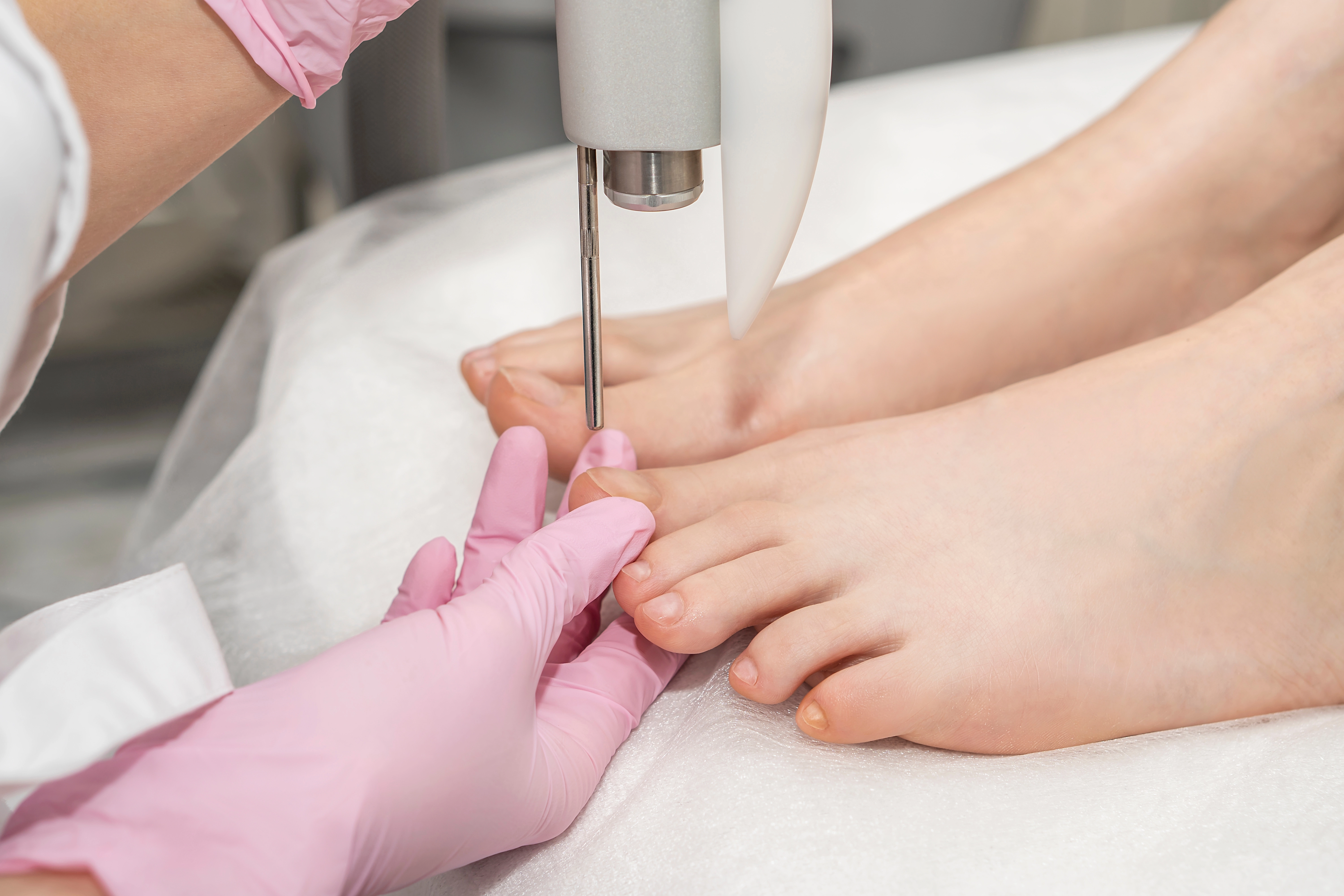
Yes – laser toenail fungus treatment is often worth it for those who have not found success with topical or oral therapies, as it directly targets the fungus beneath the nail and supports the growth of healthier nails. For many people in the Surfside area struggling with thick, discolored, and brittle toenails, laser treatment is a highly effective, non-surgical solution. Unlike topical creams that cannot penetrate the nail or oral medications that can have side effects, laser therapy targets the fungus directly beneath the nail plate.
At our practice in Surfside, FL, patients who are tired of hiding their toes often ask Dr. Gary Curson whether a professional solution will finally deliver results.
Toenail fungus, or onychomycosis, is an infection caused by microscopic fungi (dermatophytes) that thrive in warm, dark, moist environments – like the inside of your shoes. These are the same organisms that cause athlete’s foot, and they can enter through tiny cracks in the nail or surrounding skin. In South Florida, heat and humidity make fungus easier to grow, and it can appear alongside other nail problems such as ingrown nails.
Laser treatment for fungal toenails is a non-surgical procedure that uses concentrated beams of light energy to target and destroy the fungi causing the infection. The laser passes harmlessly through the toenail; the specific wavelength is absorbed by the pigmented fungi, generating heat that eradicates the organisms without damaging surrounding healthy nail and skin.
What to expect:
Performed in the office in about 30 minutes
No anesthesia
Most patients feel only a gentle warming sensation
No messy daily routine for months
Laser therapy has become a leading treatment for toenail fungus due to its high success rates and safety profile. Effectiveness is the top concern when considering any medical procedure.
Clinical studies have shown that laser treatments can significantly improve the appearance of fungal nails by heating and disrupting fungus under the nail without cutting it off. Findings vary with how many nails are involved, how thick they are, and whether shoes and skin stay clean after treatment – laser is a targeted tool, not a guarantee. The laser destroys existing fungus so a new, healthy nail can grow in; it does not instantly erase damage to the existing plate.
Practical points from published work and practice:
Many patients see a noticeable difference as the new nail emerges over the following months
Visible replacement of the damaged nail can take 6 to 12 months
More than one session is often needed
Aftercare matters: dry shoes, clean clippers, and treatment of nearby athlete’s foot
Be wary of anyone who promises an instant, perfect nail – a podiatrist will talk about growth time, not overnight change
Laser therapy is designed to eradicate the fungus causing the infection, which can be considered a “cure” for many patients – but reinfection is possible if the environment stays wet and warm. A nail damaged for years may never look exactly as it did at age 20, even when the fungus is gone. Think of laser as a way to knock down the organisms so your own nail can replace the infected keratin.
Deciding on the right treatment involves weighing the pros and cons of each available method.
Topical treatments are often the first line of defense due to their accessibility, but their effectiveness is limited by their inability to fully penetrate the nail plate. They may suit a very mild, early infection under supervision, yet they require daily application for months or even years and often fail on established cases. Laser therapy bypasses the nail plate, delivering energy directly to the fungal colony in a few short office visits, making it a more reliable option for moderate-to-severe infections.
Besides topical and laser therapies, other options exist. Oral antifungal pills can work when the infection is deep, but they are not appropriate for every patient and require monitoring for potential liver and drug-interaction side effects. Compared with these alternatives, laser therapy offers a compelling balance of effectiveness, safety, and convenience.
Because laser treatment is often considered an aesthetic procedure, it may not be covered by insurance, and the cost can be a significant consideration. You may need more than one session, and you will not see a brand-new nail the week after treatment – that is how nails grow, not a flaw in the laser.
When you factor in years of ineffective over-the-counter products, ruined socks, shoes you will not wear, and the personal cost of feeling self-conscious, many find the investment in clear, healthy nails well worth it. The most common side effect is a temporary feeling of warmth during the procedure, which is expected with energy directed at the nail. There is no damage to the nail or surrounding skin and no downtime – you can walk out of our office and resume daily activities immediately.
Laser fungus removal fills a gap: creams are easy but often weak, pills are stronger but not for everyone, and surgery is more than most people want for a nail. For residents of the Surfside area who lead active lives in a beach community, clear nails also mean comfort and confidence in sandals, pools, and closed dress shoes.
Key benefits:
Non-invasive: No cuts, no surgery, no anesthesia
Targeted: Attacks the fungus directly without harming healthy tissue
No systemic side effects: Unlike oral medications, treatment is localized to the nail
Quick and painless: Sessions are fast, with no long home-application ritual
For most patients who have been unable to resolve their infection through other means, yes – laser is a modern, scientifically backed approach that attacks the fungus under the nail and lets a healthier nail grow in. If the infection is tiny and brand new, a simpler plan might be enough. It is not instant, and it is not a substitute for dry shoes and good nail care.
Confirm it is fungus before you treat
Laser therapy is a safe, non-invasive, and effective treatment that targets and destroys fungus beneath the nail
It is an excellent alternative to ineffective topical creams and oral medications with potential side effects
Plan for months of nail growth (typically 6 to 12 months), not overnight change
Treat skin fungus and replace old footwear
See a podiatrist if you have diabetes, pain, or several damaged nails
If you are tired of hiding your feet and are ready for a real solution, schedule a consultation with Dr. Gary Curson at our Surfside office on Harding Avenue. He can assess your condition and help you decide if laser toenail fungus treatment is the right investment for you.

About the Author
Dr. Gary Curson

September 14, 2026