
Daily diabetic foot care means checking, cleaning and protecting your feet every day so small problems never get the chance to become serious ones. A few minutes each morning or evening can prevent infections, ulcers and wounds that heal slowly when you have diabetes. This guide, walks through the routine our podiatry team in Surfside, FL recommends to patients managing diabetes.
Diabetes changes how your body feels, fights and heals injuries. Your feet are farthest from your heart and carry your full weight all day. That makes them one of the first places diabetes causes trouble.
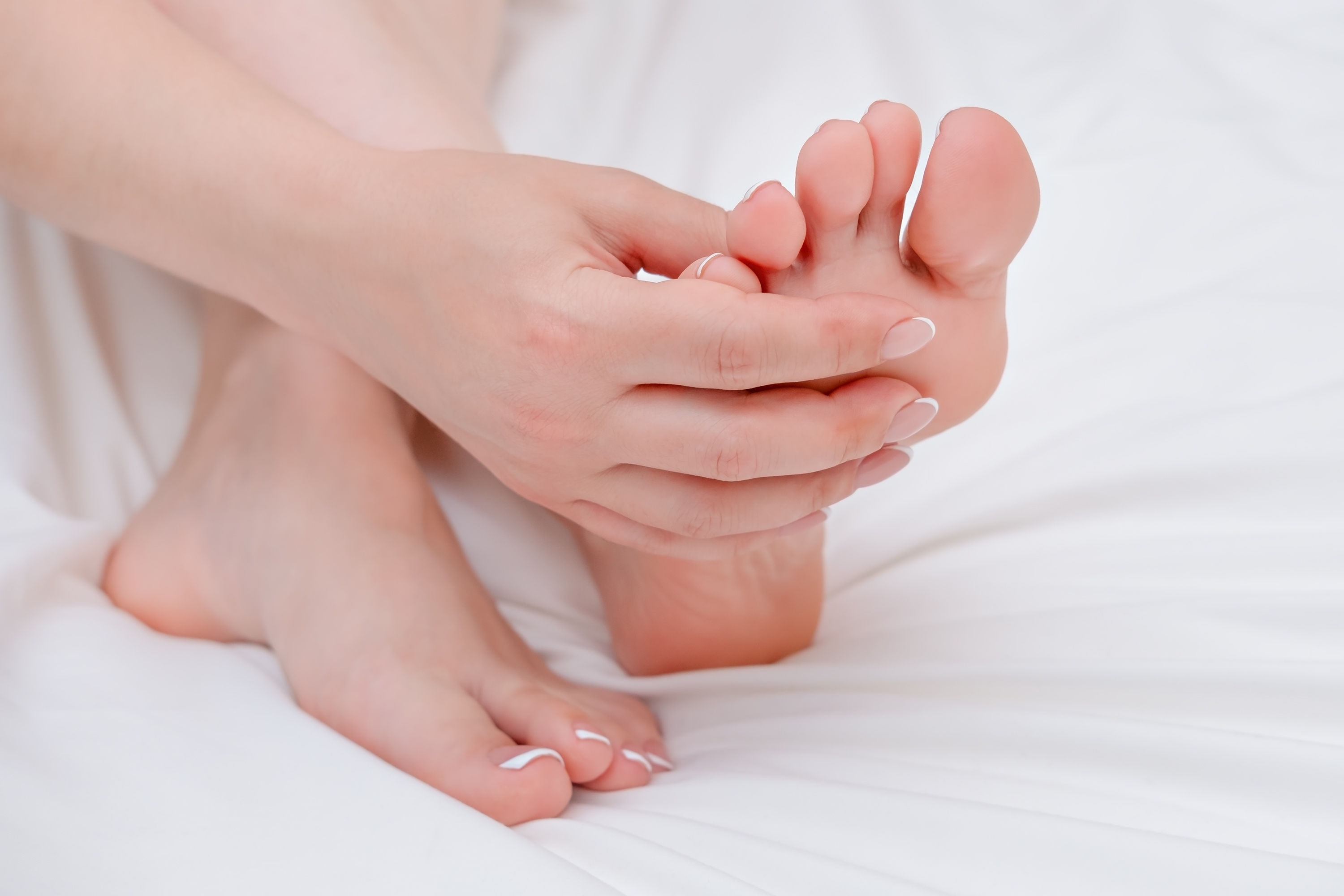
High blood sugar over time can damage the nerves in your feet. This is called neuropathy. When nerves are damaged, you may not feel a blister, a cut or a pebble in your shoe.
Diabetes can also narrow blood vessels and reduce circulation. Less blood flow means less oxygen and fewer infection-fighting cells reach your feet. A minor scrape that would heal in days for someone else can linger for weeks.
Many people with diabetes also have dry, cracked skin. Cracks can open the door to bacteria. These can turn into open sores called foot ulcers. Untreated ulcers may become infected and can reach deeper tissue. Pressure from a thick callus can break down the skin underneath. An ingrown nail can become infected quickly. Daily care helps you catch these issues while they are still easy to treat.
Building a simple routine is the core of Daily Diabetic Foot Care. Pick a set time each day, such as after your evening shower, and follow these steps.
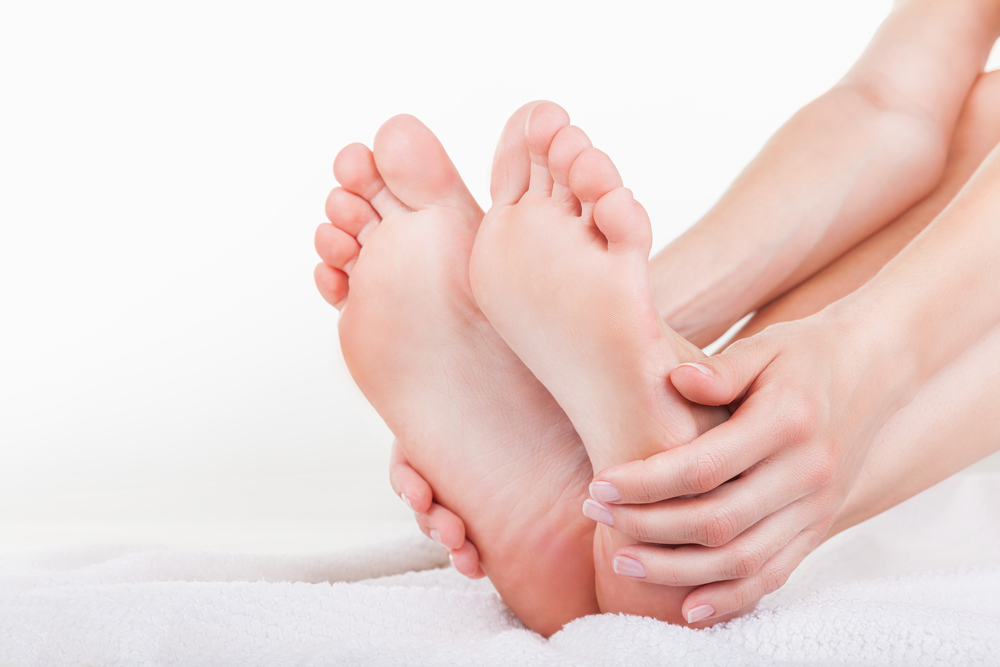
Look at the tops, bottoms, heels and spaces between your toes. Check for:
Cuts, blisters or scratches
Redness, swelling or warm spots
Cracks in the skin, especially on the heels
Changes in color
Ingrown or discolored toenails
If you cannot see the bottoms of your feet, use a handheld mirror or ask a family member to help. Good lighting makes a difference.
Wash your feet every day with lukewarm water and mild soap. Test the water with your elbow or a thermometer first, since neuropathy can make it hard to sense heat with your feet.
Do not soak your feet for long periods. Soaking can dry out skin and make it more likely to crack. Pat your feet dry with a soft towel. Pay close attention to the spaces between your toes, where trapped moisture can lead to fungal infections such as athlete’s foot.
Apply a thin layer of lotion to the tops and bottoms of your feet to keep the skin soft and prevent cracking. Skip the area between your toes. Extra moisture there can encourage fungus and skin breakdown.
Trim your toenails straight across after washing, when they are softer. File sharp edges with an emery board. Do not cut into the corners or dig under the nail, since this can lead to ingrown nails.
If your nails are thick, discolored or hard to reach, let our podiatry team trim them. Never use sharp tools, razors or over-the-counter acids on corns or calluses. Our providers can treat corns and calluses safely in the office.
Put on clean, dry socks every day. Change them sooner if they become damp from sweat. Look for socks that:
Wick moisture away from the skin
Have no thick seams that rub
Fit without bunching or squeezing
Do not have tight elastic bands at the top
Light-colored socks make it easier to spot drainage or blood from a wound you may not feel.
Shoes should protect your feet without creating pressure points. Choose shoes with a roomy toe box, good arch support and a closed toe. Shop for shoes later in the day, when feet tend to be slightly swollen.
Before putting shoes on, feel inside for pebbles, torn linings or rough spots. Break in new shoes slowly. For patients with pressure points or foot shape changes, our team can fit custom orthotics to spread weight more evenly.
Wear shoes or slippers at all times, even indoors. Walking barefoot exposes your feet to splinters, sharp objects and hot surfaces. In a beach community, this includes sand, pool decks and boardwalks. Water shoes are a good option at the beach and pool.
Hot pavement and sand can burn feet that cannot sense heat. Apply sunscreen to the tops of your feet when wearing sandals outdoors. Do not use heating pads, hot water bottles or electric blankets on your feet. If your feet feel cold at night, wear warm socks.
Simple movement helps blood reach your feet. Throughout the day:
Wiggle your toes for a few minutes
Rotate your ankles in circles
Put your feet up when sitting
Avoid crossing your legs for long periods
Take short walks if your health allows
Keeping your blood sugar in your target range and avoiding smoking also support healthy circulation.
Daily care at home works when paired with professional checkups. Some changes should not wait for your next routine visit.
Contact our office promptly if you notice:
A cut, blister or sore that does not start healing within a few days
Redness, warmth or swelling in one area
Drainage, pus or an unusual odor
New numbness, tingling or burning
A change in the shape of your foot
Skin that turns blue, black or very pale
An ingrown toenail or a nail that looks infected
Our team treats foot ulcers and provides wound care designed to help slow-healing sores close and to prevent further problems.
Even if your feet look and feel fine, regular podiatry visits are important when you have diabetes. During a diabetic foot exam, our providers check sensation, circulation, skin condition, nail health and foot structure. These exams can reveal early nerve changes or pressure areas you cannot detect on your own.
Dr. Gary Curson, brings decades of podiatric experience to diabetic foot care. Our providers build each care plan around the patient’s foot health, activity level and diabetes management.
Many patients rely on a spouse, adult child or home aide for help with foot care. This is especially true for older adults, who may have limited vision or flexibility. Caregivers can help by:
Doing the daily foot check together at the same time each day
Looking between toes and under the heels, where problems hide
Testing bath water temperature before the patient steps in
Making sure shoes and socks are clean and fit well
Keeping a simple log of any changes to share at podiatry visits
Reminding the patient to keep scheduled foot exams
If trimming nails is difficult or unsafe at home, our team offers geriatric foot care that includes routine nail and skin care.
Daily diabetic foot care comes down to a few steady habits: inspect, wash, dry, moisturize, trim carefully, wear protective footwear and keep blood moving. Pair that routine with regular podiatry exams and quick attention to any warning signs. Following this guide each day gives you the strongest protection against ulcers, infections and slow-healing wounds.