
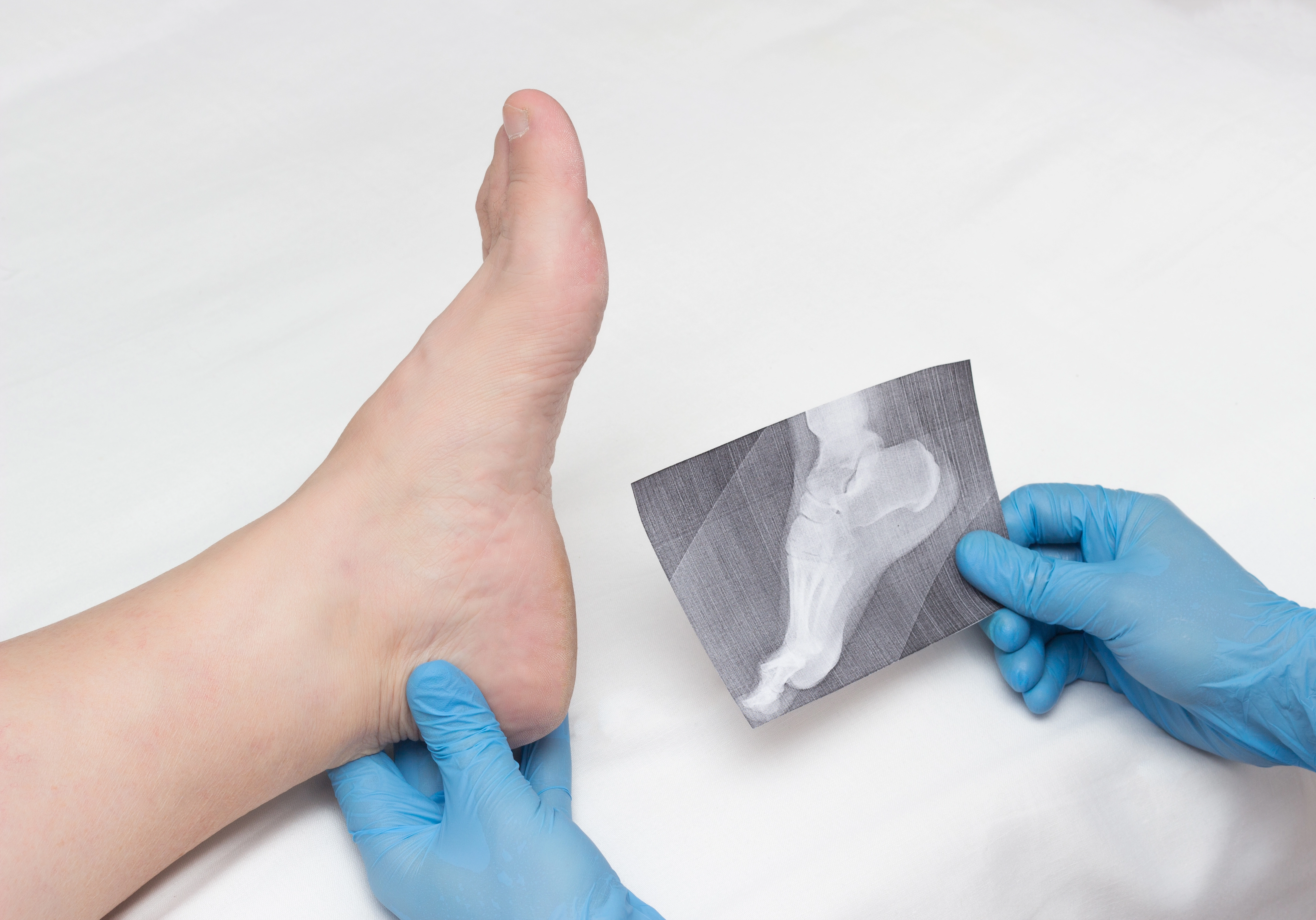
Most people who have heel spur surgery walk with support during the first 1-2 weeks, return to light daily activity by 4-6 weeks, and feel close to normal between 3-6 months – with full tissue healing sometimes taking up to a year. The details matter, because your age, activity level, and the kind of procedure performed all shift the pace of healing.
At Miami Feet in Surfside, FL, Dr. Gary Curson applies over 40 years of specialized expertise to guide patients through this process – and surgery is rarely the first step. His patient-centered approach means clear instructions tailored to your procedure and lifestyle, so you can plan work, travel, and family life around your recovery instead of guessing.
A heel spur is a small calcium deposit that forms on the heel bone, usually where the plantar fascia attaches. Here’s what surprises many patients: the spur itself is often not the source of the pain. The real culprit is usually the inflamed, thickened plantar fascia – the thick band of tissue connecting your heel bone to your toes – pulling on the bone month after month.
That’s why surgery is considered only after conservative treatment has had a fair trial. At Miami Feet, that usually means several months of stretching, physical therapy, custom orthotics, anti-inflammatory care, MLS laser therapy, or soundwave therapy. Many patients never need an operating room at all.
Surgery becomes a reasonable option when:
Heel pain has persisted for six months or longer despite consistent treatment
The pain limits walking, working, or standing for normal periods
Imaging shows a large spur that is physically pressing on soft tissue
Non-surgical options have been tried and documented without lasting relief
The full recovery timeline generally spans three to six months for functional recovery, with complete internal tissue remodeling taking up to twelve months. Minimally invasive procedures usually sit at the shorter end of that range; open procedures at the longer end.
Factors that shorten or lengthen your personal timeline include your age, whether you have diabetes or circulation issues, your weight, whether you smoke, how physically demanding your job is, and how closely you follow post-op instructions. Patients who push too hard in week three often lose ground they spend weeks recovering.
Days 1–7: Protection phase. Strictly non-weight-bearing, foot elevated most of the day, dressing intact. Crutches, a knee scooter, or a walker are essential. Desk work from home is sometimes possible with the foot up. Prepare a comfortable “recovery station” with everything within reach.
Weeks 2–3: Early mobility. Your first major follow-up – Dr. Gary Curson inspects the wound, removes sutures, and assesses healing. Many patients begin protected walking in a surgical shoe or boot. Swelling is still present and normal. Short, slow indoor walking replaces long stretches of sitting still.
Weeks 4–6: Transition phase. Most patients progress from partial to full weight-bearing and move from boot to supportive athletic shoe, often with an orthotic insert. Gentle range-of-motion exercises such as ankle pumps prevent stiffness. Desk-based work is typically manageable now, and light daily errands come back into the picture.
Weeks 6–12: Strengthening phase. Formal physical therapy typically begins; guided stretching and strengthening ramp up. Swelling continues to decrease, and standing tolerance improves noticeably. Don’t walk barefoot – a sturdy running shoe with good cushioning is often recommended. By 12 weeks, many patients walk normally in supportive shoes without pain.
Months 3–6: Return to activity. Most people resume normal footwear, longer walks, and low-impact exercise. Running, jumping, and court sports usually return at the later end of this window, and only with clearance.
Months 6–12: Full remodeling. Residual stiffness or mild end-of-day soreness can linger and slowly fade. Scar tissue continues to soften.
Rehabilitation is what turns a healed incision into a functional foot. Skipping it is one of the most common reasons recovery stalls.
Early rehab focuses on gentle range of motion – ankle circles, toe curls, and calf stretches within the limits your doctor sets. As healing progresses, the emphasis shifts to:
Calf and plantar fascia stretching. Tight calves and Achilles tendons are a leading driver of heel pain; stretching reduces the pull on the heel that contributed to the spur.
Intrinsic foot strengthening. Towel scrunches, marble pickups, and short-foot exercises rebuild the small muscles that support the arch, plus the larger lower-leg muscles.
Balance and proprioception work. Standing balance drills restore the coordination that weeks of protected weight bearing take away.
Gait retraining. Correcting a limp or altered walking pattern prevents new problems in the knee, hip, and opposite foot.
Dr. Gary Curson may also incorporate in-office treatments during recovery. MLS laser therapy and soundwave therapy are used at the Surfside office to reduce inflammation and support tissue healing, and custom orthotics are frequently prescribed to control the mechanics that caused the problem originally.
Knowing what not to do is just as important as knowing what to do.
Weight bearing. Follow your instructions exactly. “Non-weight bearing” means the foot does not touch the floor – not even to steady yourself.
Driving. Not until you’re completely off prescription pain medication, out of the boot, and able to press the pedals comfortably. For right-foot surgery, this may take six weeks or more.
Water. No pools, ocean, hot tubs, or baths until the incision is fully closed and you’re cleared. Living minutes from the beach makes this a temptation – wait it out.
Footwear. No barefoot walking, even at home, for several months. Flip-flops, flat sandals, and unsupportive shoes are off the table. Supportive shoes with a firm heel counter are the goal.
Exercise. Upper body and seated core work can often continue early. Impact activity – running, jumping, tennis, pickleball – waits for clearance, usually at three to six months.
Work. Desk jobs commonly resume in one to three weeks, sometimes sooner from home. Jobs requiring prolonged standing, walking, or manual labor often need six to twelve weeks or more. Plan and communicate with your employer in advance.
Prepare your home before surgery. Move essentials to one floor, clear tripping hazards, stock easy meals, and set up your elevation station.
Rent or borrow mobility equipment early. A knee scooter is far easier than crutches for most people, especially on tile floors.
Follow instructions precisely. Adhere strictly to Dr. Gary Curson’s guidance on weight-bearing, medication, and wound care.
Elevate more than you think you need to. Especially in Miami’s heat, swelling can be persistent. Elevation and ice are free and effective.
Don’t skip follow-up visits. They catch small issues early and tell you when it’s safe to progress.
Hydrate and eat protein. Protein, vitamin C, and adequate water genuinely support tissue repair.
Stop smoking if you smoke. Nicotine restricts blood flow and slows bone and soft tissue repair.
Be patient in weeks three and four. This is when people feel good enough to overdo it – and pay for it in week five.
Ask questions. If something feels off, call the Surfside office rather than searching online at midnight.
The vast majority of patients experience a significant reduction or complete elimination of their pain. But surgery treats the symptom, not the underlying mechanics.
Preventing recurrence means ongoing attention to what caused the problem: supportive footwear, custom orthotics molded specifically for your feet to control abnormal foot motion, consistent calf stretching, and maintaining a healthy weight. Patients who keep up these habits tend to stay pain-free; those who return to worn-out flat shoes and no stretching often see symptoms creep back.
The heel spur surgery recovery timeline moves through clear stages: protected rest in week one, early walking by weeks two to three, normal shoes around weeks four to six, strengthening through month three, and full activity between three and six months. Elevation, wound care, consistent rehabilitation, and honest patience keep that timeline on track.
If persistent heel pain hasn’t responded to conservative care, Dr. Gary Curson can evaluate your heel pain and explain which options, surgical or not, make sense for your foot.

About the Author
Dr. Gary Curson

August 7, 2026